Same Work, Different Paycheck: What You Should Know About Pay Equity and Your Rights
Pay gaps between employees doing the same job are more common than most people realize — and more often than not, the people on the losing end of those gaps have no idea. Employers rarely broadcast what everyone earns. In many workplaces, discussing salaries is actively discouraged, even though workers generally have the legal right to do it.
If you suspect you’re being paid less than a colleague doing equivalent work, the first step is understanding what pay equity law actually covers and where your options begin.
What Pay Equity Laws Are Designed to Prevent
Federal law has prohibited gender-based pay discrimination since the Equal Pay Act of 1963. Since then, many states have strengthened those protections to cover additional characteristics and close loopholes that once allowed employers to justify pay gaps on questionable grounds.
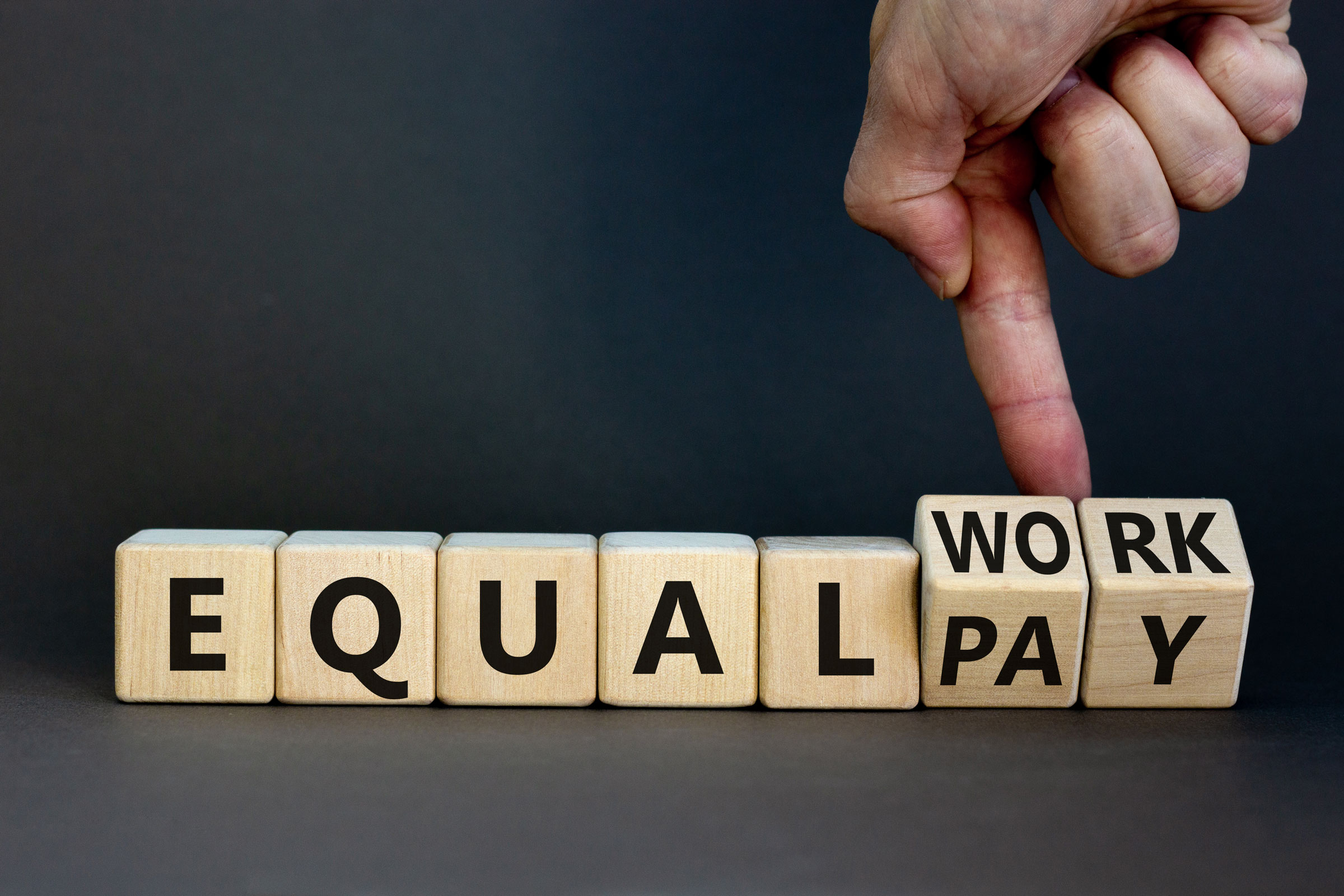
Pay equity laws vary by state, but at the federal level and in most jurisdictions, employers are prohibited from paying employees differently based on protected characteristics. Those protections typically cover:
- Sex or gender
- Race or ethnicity
- Age — specifically workers 40 and older, under the Age Discrimination in Employment Act
- Disability status
- National origin
- Other protected characteristics depending on applicable state law
The law’s reach has expanded significantly in recent decades, and in many states the protections now go further than federal law requires.
'Same Job' Doesn't Always Mean the Same Title
One of the most common tactics employers use to justify pay disparities is pointing to slight differences in job titles or written descriptions. But pay equity law doesn’t care much about what’s on the org chart — it looks at the actual work being performed and whether two roles are substantially equal.
Courts and regulators apply a practical standard when evaluating whether two positions are comparable. The analysis typically focuses on four factors:
- Skill — whether the jobs require a comparable level of expertise, training, and ability
- Effort — whether the physical and mental demands of the work are similar
- Responsibility — whether the level of accountability and decision-making is roughly equal
- Working conditions — whether employees are performing their work in comparable environments
A different job title is not enough to explain away a pay gap — what matters is what people are actually doing day to day.
For a deeper look, visit: Are You Being Paid Less Than a Coworker Doing the Same Job?
When a Pay Gap Is — and Isn't — Legal
Not every compensation difference between employees in similar roles is unlawful. The law does recognize certain legitimate reasons for paying people differently, and employers use them regularly — sometimes legitimately, sometimes not. The key is whether those justifications hold up under scrutiny.
Employers can lawfully base pay differences on seniority, merit, or production-based compensation — but only when those systems are applied consistently and aren’t being used as cover for discrimination. These are the red flags that suggest a pay gap may have crossed into illegal territory:
- Pay differences that fall consistently along gender, racial, or other demographic lines
- No clear, documented rationale for the disparity
- A pattern of paying new hires from a particular group less than existing employees doing the same work
- Salary negotiation practices that systematically disadvantage certain groups
- Retaliation — written or implied — against employees who ask about or discuss their pay
When the legitimate-sounding explanation doesn’t survive even basic scrutiny, the gap may be exactly what it looks like.
How to Build Your Case
Pay equity claims require evidence. Suspicion alone — even well-founded suspicion — rarely goes anywhere without documentation to back it up. If you believe you’re being underpaid relative to a colleague doing comparable work, building a factual record is the most important thing you can do before taking any other step.
Start here. These are the building blocks of a credible pay equity claim:
- Document your actual job duties in detail — not just your title, but what you do every day
- Record any salary information you’ve learned through legitimate conversation or disclosure
- Gather your performance reviews, commendations, and any formal recognition of your work
- Note whether colleagues earning more have genuinely different qualifications or responsibilities
- Save relevant communications about compensation — including any time you raised the issue
An employment attorney can evaluate what you’ve gathered and tell you whether the disparity you’re seeing rises to the level of a legal violation.
Frequently Asked Questions
Can my employer legally tell me not to discuss my salary with coworkers? In most cases, no. The National Labor Relations Act protects most private-sector employees’ right to discuss wages with colleagues. Policies that prohibit or chill those conversations are generally unlawful. There are narrow exceptions, but for the vast majority of workers, pay secrecy policies cannot be legally enforced.
What if I only suspect a pay gap but can’t prove it? Suspicion is a starting point, not a dead end. Document what you know — your duties, your pay, your performance history — and consult an employment attorney. Attorneys who handle pay equity cases know how to investigate and can sometimes uncover disparities through discovery that employees couldn’t access on their own.
Does the law cover pay gaps between people of different races or only between men and women? Both. The Equal Pay Act focuses on sex-based disparities, but Title VII covers race, color, religion, sex, and national origin. The Age Discrimination in Employment Act covers workers 40 and older, and the ADA covers disability status. Federal law addresses pay disparities across multiple protected characteristics.
What if my employer claims I was paid less because of salary history? This defense is weakening. Many states and cities have now banned employers from using prior salary as a basis for setting pay — precisely because doing so perpetuates existing wage gaps. If you’re in a jurisdiction with a salary history ban and your employer used your prior pay to justify a lower offer, that may itself be a violation worth examining.
Can I be fired for asking about pay equity? Retaliation for raising pay equity concerns is illegal under federal law and most state laws. That includes termination, demotion, reduced hours, or any other adverse employment action taken because you asked questions, filed a complaint, or participated in an investigation. If you experience retaliation, it may add a separate legal claim on top of the underlying pay equity issue.
How long do I have to file a pay equity claim? Deadlines vary by claim type and location. Under the Equal Pay Act, you generally have two years — three if the violation was willful. Title VII claims through the EEOC must typically be filed within 180 to 300 days. The Lilly Ledbetter Fair Pay Act clarifies that each discriminatory paycheck restarts the clock, which matters in ongoing pay disparity situations.
What can I recover if I win a pay equity claim? Potentially more than just the wage difference. Remedies can include back pay covering the full period of the disparity, liquidated damages that may double the award, front pay in some cases, attorney’s fees, and injunctive relief requiring the employer to correct its pay practices. The specifics depend on the law under which the claim is filed and the facts of the case.